Flakes on a dark shirt send most men straight to the dandruff shampoo, and about half the time that is the wrong shelf. Dry scalp and dandruff look alike from three feet away but have different causes, different flakes, and nearly opposite fixes. Treating dry scalp with strong anti-dandruff shampoo makes it drier and flakier; moisturizing true dandruff leaves the underlying problem untouched. Here is how to work out which one you are looking at, starting from the symptom.
Step one: read the flakes
The flakes themselves carry the first evidence. Dry scalp flakes are small, white, and dry, and they fall easily onto the shoulders. The scalp and often the skin elsewhere, elbows, shins, feels dry and tight, especially in winter when indoor heat runs. Dandruff flakes tend to be larger, yellowish, and oily or waxy; they cling to the hair and scalp rather than snowing off, and the scalp underneath often looks pink and feels itchy in a way dry skin does not quite match.
Timing is evidence too. Flakes that arrive with the heating season and vanish in humid Charlotte summers point to dryness. Flakes that persist year-round, worsen when you wash less, and come with itch point toward dandruff, which is linked to a normal scalp yeast that some people's skin reacts to, fed by scalp oil.
- Do the fall test. Over a dark surface, scratch lightly. Dry flakes fall freely and look like fine dust. Dandruff flakes are bigger, heavier, and often stay stuck in the hair until brushed loose.
- Check the skin elsewhere. Dry elbows, tight skin after showers, and chapped hands in the same weeks suggest a dry scalp as part of a general dryness pattern.
- Look at the scalp itself. Use a mirror and good light. Pale, dry-looking skin with fine flakes is dry scalp. Reddened patches with thick, oily scales are dandruff territory.
- Review your washing. Flakes that worsened after you started washing daily with hot water and strong shampoo suggest stripped, dry scalp. Flakes that worsen when you stretch washes suggest oil-fed dandruff.
- Change one thing for two weeks. Suspected dry scalp gets gentler, less frequent washing and conditioner on the scalp. Suspected dandruff gets a proper anti-dandruff shampoo used as directed, usually left on a few minutes before rinsing.
- Judge the result honestly. Clear improvement confirms the working diagnosis. No change, or worsening, means switch theories, and persistent failure means the problem is above home-pay grade.
What your barber sees
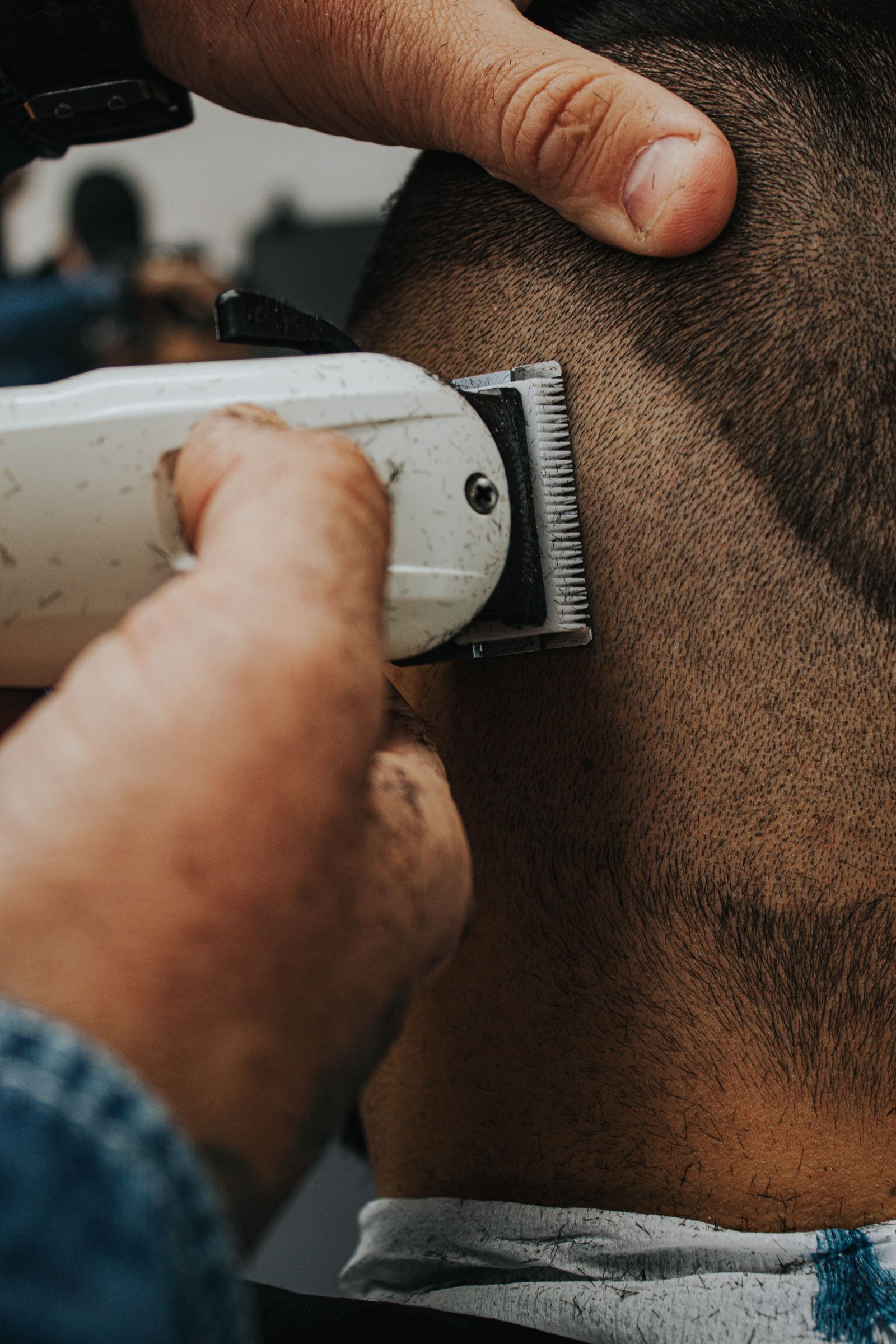
Barbers look at scalps all day, at close range, under good light, and they notice flaking patterns, redness, and buildup that you cannot see on your own head. A barber at Edward's Boyz Barber Shop can tell you which way your symptoms lean and whether your current product routine is helping or feeding the problem. That is an observation, not a diagnosis, and a good barber will say so, but it is a useful second set of eyes before you spend weeks on the wrong treatment.
Common home mistakes
Scrubbing harder is the classic error. Aggressive scratching with nails irritates both conditions and can break skin, inviting infection. Oil is the second error: heavy oils on dandruff feed the yeast involved and worsen it, even though the same oils soothe a genuinely dry scalp. The third is impatience. Both fixes take two to three weeks of consistent routine to judge; switching products every three days guarantees you learn nothing.
When it is a dermatologist's job
Some signs end the home experiment. Thick, crusty patches, sores or weeping skin, flaking that spreads to the eyebrows, ears, or beard in defined red patches, hair coming out in patches, or a problem that survives a month of correct treatment all belong in front of a dermatologist. Conditions like psoriasis and seborrheic dermatitis overlap heavily with dandruff's appearance and need real treatment. A barber can flag what looks unusual; only a clinician can name and treat it.
Common questions
Is dandruff contagious or caused by poor hygiene?
Neither. Dandruff is linked to a yeast that lives on most scalps and to individual skin sensitivity. Washing less can worsen it by letting oil build up, but it is not a hygiene failure.
Can I have both dry scalp and dandruff?
Yes, it happens, especially in winter when dry air irritates a scalp that also has dandruff. Treat the dandruff first with shampoo as directed, use conditioner to manage dryness, and see a dermatologist if it will not settle.
How long should I try a fix before switching?
Give a consistent routine two to three weeks. Both dry scalp care and anti-dandruff shampoo need repeated use to show a clear trend, and judging sooner mostly measures noise.
Photos in this guide are representative stock images.
← All guides from Edward's Boyz Barber Shop← Back to Edward's Boyz Barber Shop